Careers · Entry-Level With a BSW
How to Become a Victim Advocate
How Do You Become a Victim Advocate?
If you want to know how to become a victim advocate, the most direct route is a bachelor's degree in social work (BSW) with field hours in a court, prosecutor's office, police department or victim service agency. Victim advocate jobs are usually unlicensed entry roles, so the degree and your supervised experience are what employers weigh. 12 CSWE-accredited BSW programs name a justice focus, from Wayne State University's 460-hour practicum to Monmouth University's BSW with criminal justice. See them on the BSW programs page.
What a Victim Advocate Does
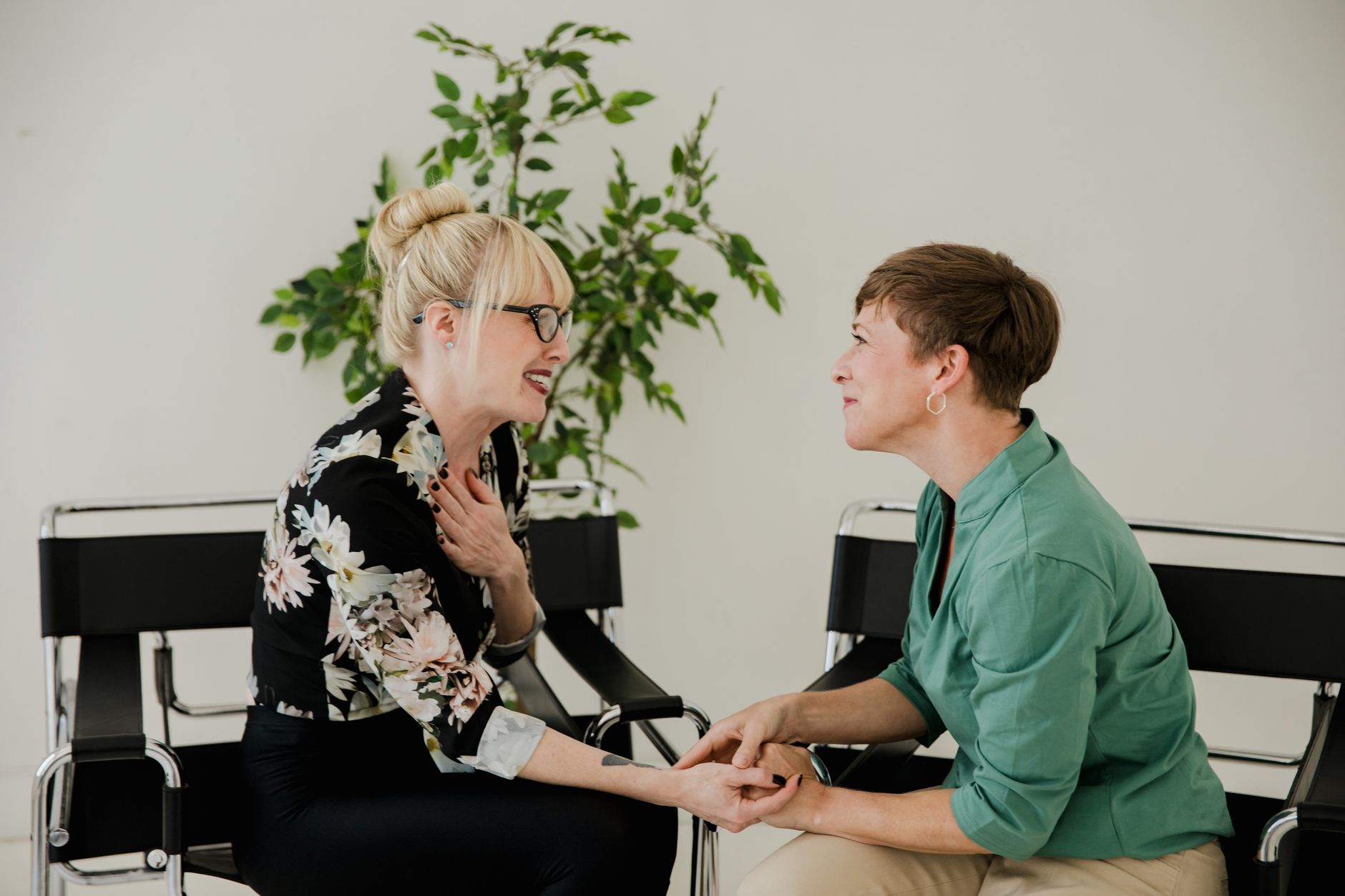
A victim advocate supports people who have been harmed by a crime, from the first report through the court case and after. You explain what will happen next, help the person stay safe, sit beside them in court, and connect them to counseling, compensation and other services.
The victim witness unit at the U.S. Attorney’s Office for the District of Columbia gives a clear picture of the work. Its advocates handle “intake, safety planning, risk assessment, and court accompaniment.” They refer victims to grief counseling and other community support, and help them apply to the District’s Crime Victims’ Compensation Program. Advocates there specialize by case type, including domestic violence, sexual assault, child abuse and families of homicide victims.
Other advocates work outside the courthouse: in police departments, hospitals, shelters and community agencies. The core skills stay the same. You listen, assess risk, plan for safety and make sure the person knows their options.
How to Become a Victim Advocate
There’s no single required degree or license for most victim advocate jobs, so employers look at two things: what you studied and what you’ve done. A BSW covers both, and it’s the degree that best matches the work.
- Earn a CSWE-accredited BSW, ideally one with justice, trauma or forensic coursework. Four years for most students; less if you transfer in an associate degree.
- Do your field hours in a victim-facing setting. Every accredited BSW requires at least 400. Ask for a court, prosecutor’s office, police department, domestic violence program or hospital.
- Volunteer while you study. Time with a crisis line, shelter or court program shows employers you can stay steady with people in distress.
- Apply for advocate roles in prosecutor’s offices, police departments and nonprofit victim service agencies.
- Keep training after you’re hired. The federal Office for Victims of Crime supports State Victim Assistance Academies, which train “victim assistance providers, victim advocates, criminal justice personnel, and allied professionals.”
Why a BSW rather than criminal justice or psychology? Because BSW programs teach crisis response, safety planning and resource advocacy as practice skills, and supervise you doing them. BLS lists “respond to crisis situations” and “research, refer, and advocate for community resources” among a social worker’s core duties. That’s the advocate’s job description.
Is Victim Advocacy a Licensed Job?
Most entry-level advocate jobs are unlicensed. That’s good news for getting started, and it means the license question is about where you go next.
- Bachelor’s license. With a CSWE-accredited BSW, you’re eligible for a bachelor’s-level social work license in 42 of 52 jurisdictions. 31 of them use the ASWB Bachelors exam. Ten issue none: California, Colorado, Connecticut, Florida, Georgia, Illinois, New York, Rhode Island, Vermont and Washington.
- Clinical license. BLS says all states require clinical social workers to be licensed, which takes an MSW and supervised clinical experience. If you want to provide trauma therapy to survivors, this is the route.
- On-the-job reality. Monmouth University puts it plainly: licensure rules “differ from state to state,” and “many states require a MSW degree to become a licensed social worker.”
The DC victim witness unit shows how far the field can go: it’s supervised by a doctor of psychology and several of its advocates are licensed clinical social workers. Check your state’s rules in the BSW license checker or the LBSW license guide.
Victim Advocate Pay
BLS groups this work under social and human service assistants: a national median of $45,930 across 437,860 jobs, with the middle half earning $38,150 to $54,350 and the top tenth $63,290 or more.
| Highest-paying states (500+ jobs) | Median | Jobs |
|---|---|---|
| District of Columbia | $59,460 | 2,080 |
| Washington | $54,770 | 7,590 |
| Oregon | $51,230 | 11,260 |
| California | $51,090 | 58,730 |
| Minnesota | $49,940 | 11,110 |
| New Jersey | $48,420 | 17,270 |
| Rhode Island | $47,720 | 2,290 |
| Maine | $47,710 | 4,580 |
BLS Occupational Employment and Wage Statistics, May 2025, SOC 21-1093. BLS doesn't publish pay for this job title separately, so these figures cover the whole occupation.
BSW Programs With a Victim Focus
Lowest federal tuition and fees first: CSWE BSWs whose pages name a matching track.
Social Work B.S.W. at Vermont State University
Vermont State University school profile · Randolph, VTFormatOn campus400-hour practicumTuition$11,088per year · resident rateAccreditationCSWEBachelor of Social Work (BSW) at Salem State University
Salem State University school profile · Salem, MAFormatOn campusTuition$13,090per year · resident rate · with feesAccreditationCSWEBachelor of Social Work at Wayne State University
Wayne State University school profile · Detroit, MIFormatOn campus, Online460-hour practicumTuition$8,419per term · resident rateAccreditationCSWEBachelor of Social Work (BSW) at Southwest Baptist University
Southwest Baptist University school profile · Bolivar, MOFormatOn campusTuition$30,500per yearAccreditationCSWEBachelor of Social Work (BSW) at Dominican University New York
Dominican University New York school profile · Orangeburg, NYFormatOn campus500-hour practicumTuition$33,060per year, tuition and fees 2023-24 · NCESAccreditationCSWE- FormatOnlineTuition$34,502per year, tuition and fees 2023-24 · NCESAccreditationCSWE
Inside the Job: Court Dates, Safety Plans and Crisis Calls
A victim advocate’s week moves with the case calendar. You might start the day returning calls from people who want to know when the next hearing is. The federal Victim Notification System, for example, tells victims about “scheduled court events” and their outcomes, and advocates help them understand what those updates mean.
Much of the work is face to face:
- Intake and risk assessment when a case comes in, so you know what the person needs and how safe they are.
- Safety planning for victims of domestic violence or stalking, worked out with the person rather than for them.
- Court accompaniment, which can mean explaining the process, sitting with someone during testimony or meeting them afterward.
- Referrals to counseling, medical care, housing help and legal aid.
- Compensation applications, filed with the person through the state or local crime victims’ compensation program.
The work is emotionally heavy. You hear hard stories and see people on the worst days of their lives. BSW field placements, with a supervisor checking in every week, are a safe place to learn how you handle that.
Where Victim Advocates Work
Victim advocates work in two broad kinds of settings:
- System-based roles inside prosecutor’s offices, police departments and courts. Salem State University’s BSW students intern at “courts” and “police departments,” among other sites.
- Community-based roles at shelters, hospitals and nonprofit agencies. BLS lists shelters, hospitals, clinics and group homes among the settings for social and human service assistants.
Most of these jobs are full time, and some require evening or weekend hours. BLS groups many advocate jobs under social and human service assistants, with a national median of $45,930. The pay section above shows the full spread and the top-paying states.
Justice-Focused BSW Programs Compared
Twelve CSWE-accredited BSW programs on this site name a justice focus in their curriculum. They’re concentrated in the Northeast and Midwest, across nine states, and most are private. Federal tuition and fees run from $11,400 to $52,284 a year, with a median of $34,502. The three public schools have a median of $11,978; private schools $41,414.
| Program | State | Justice and trauma focus | Field education | Federal tuition and fees, in-state (2023-24) |
|---|---|---|---|---|
| Vermont State University BSW | VT | Justice, addictions, health | 400 hours across two practicum courses | $11,400 |
| Salem State University BSW | MA | Justice, child welfare, addictions | 16 hours a week, fall and spring of senior year | $11,978 |
| Wayne State University BSW | MI | Justice | 460 hours over two semesters, in person | $14,297 |
| Dominican University New York BSW | NY | Justice, child welfare | 500 hours across two placements | $33,060 |
| Carlow University online BSW | PA | Justice, child welfare, health | Senior-year agency placement | $34,502 |
| Seton Hill University BSW | PA | Justice, addictions, school, health | 500 hours plus 60 hours of service learning | $41,414 |
| Bethel University BA in Social Work | MN | Justice-informed graduate pathway | Over 600 hours | $42,930 |
| Monmouth University BSW with Criminal Justice | NJ | Social work and criminal justice | $44,850 |
The blank cell means Monmouth’s program page doesn’t list its hours.
A few details stand out. Salem State accepts up to 34 credits through MassTransfer and offers electives in trauma and forensics. Wayne State admits students after 60 credits with a 2.50 GPA and offers part-time study. Bethel’s pathway starts graduate coursework during the bachelor’s, and its page says many graduates continue to an MSW with advanced standing. Schools’ own current rates can differ from the federal figures: Bethel lists $26,700 per year in tuition and fees for 2026-27, and Saint Ambrose University lists $39,348 in tuition.
How to Choose a Program and Stand Out as an Advocate
Weigh programs on what will matter to an employer:
- Field placements in victim services. Ask which courts, police departments and agencies students have been placed with.
- Trauma and forensic coursework. Salem State, Monmouth and Bethel build it in; elsewhere, add electives.
- Cost after aid. Compare public options like Vermont State, Salem State and Wayne State with private ones using the BSW cost comparison tool.
- Transfer and online options. Six of the twelve programs describe a transfer route; Carlow and Saint Ambrose each accept up to 90 transfer credits. Use the transfer finder.
- An MSW route. Seven of the twelve belong to schools with their own advanced standing MSW, such as Wayne State (36 credits, 10 to 16 months full time) and Monmouth (30 credits, one year full time).
To stand out, volunteer on a crisis line, learn a second language, and ask your field supervisor to let you observe court.
Is Victim Advocacy Right for You?
This work suits you if you can stay calm when someone else can’t, and if you like being the person who knows how the system works. Ask yourself a few honest questions before you commit:
- Can you hear hard details and still do the next practical thing? Advocates in the DC unit work cases involving domestic violence, sexual assault, child abuse and homicide.
- Do you like structure and deadlines? Court calendars, compensation forms and notification rules drive much of the day.
- Are you comfortable in a courtroom? Accompaniment means spending real time there, often waiting.
- Do you want to stay in direct service, or move into counseling? If counseling appeals to you, plan for the MSW from the start and pick a BSW with a same-school advanced standing route.
If you answer yes to most of these, a justice-focused BSW with a victim services placement is the clearest way to test it before you graduate.
Where Victim Advocacy Leads
From an advocate role, the next steps include specializing in one type of case, as the DC unit’s advocates do, or moving into licensed social work. An MSW opens trauma counseling and clinical roles; with a CSWE-accredited BSW, advanced standing can shorten it to about a year. Plan that step in the BSW to MSW route finder and read how a BSW shortens the MSW.
The same justice-focused BSW also prepares you for related careers: probation officer, child protective services worker and case manager.
Frequently Asked Questions
Do You Need a License to Be a Victim Advocate?
Usually not for entry-level advocate jobs. A license matters if you move into counseling or a social worker title. With a CSWE-accredited BSW you're eligible for a bachelor's-level social work license in 42 of 52 jurisdictions; clinical roles need an MSW and a clinical license in every state.
Can You Become a Victim Advocate Without a Degree?
Some agencies hire advocates without a bachelor's, since BLS says a high school diploma is typical for entry-level social and human service assistant jobs. Prosecutor's offices and specialized units tend to want more: the victim witness unit at the U.S. Attorney's Office for the District of Columbia is supervised by a doctor of psychology, and several of its advocates are licensed clinical social workers.
What Is a State Victim Assistance Academy?
The federal Office for Victims of Crime supports State Victim Assistance Academies, which provide fundamental, comprehensive and academically based education and training for victim assistance providers, victim advocates, criminal justice personnel and allied professionals. They're a common way for working advocates to build skills after hiring.
Is Victim Advocacy Social Work?
It uses the same skills: assessment, safety planning, crisis response and connecting people to resources. Monmouth University lists victim advocacy among the careers its BSW with criminal justice prepares students for, alongside corrections, juvenile justice and law enforcement.
How Much Do Victim Advocates Make?
BLS doesn't report victim advocates separately. Many advocate jobs fall under social and human service assistants, with a national median of $45,930 in May 2025 and a 90th percentile of $63,290. Advocates with a license or a master's often move into social worker or counselor roles that pay more.
Can You Study for Victim Advocacy Online?
Yes. Carlow University offers its BSW online with a justice focus and accepts up to 90 transfer credits, and Wayne State University offers online and campus formats. Field hours are completed in person at an approved agency.
Other Careers With a BSW
- How to become a child protective services workerEntry-level with a BSW
- How to become a case managerEntry-level with a BSW
- How to become a community organizerEntry-level with a BSW
- How to become a housing advocateEntry-level with a BSW
- How to become a probation officerEntry-level with a BSW
- How to become a substance abuse counselorEntry-level with a BSW
- What you can do with a BSWAll 12 careers compared
Sources
- U.S. Attorney's Office for the District of Columbia: Victim Witness Assistance Unit
- Office for Victims of Crime: State Victim Assistance Academies
- BLS Occupational Outlook Handbook: Social and Human Service Assistants
- Monmouth University: BSW in Social Work with Criminal Justice
- CSWE: 2022 Educational Policy and Accreditation Standards
- BLS Occupational Employment and Wage Statistics, May 2025
- CSWE, directory of accredited programs